Key Takeaways
- Wimax covers large geographical regions, often spanning multiple borders, while Wi-Fi is confined generally within smaller, localized areas.
- Wimax is designed for broad-area connectivity, making it suitable for rural and underserved regions, whereas Wi-Fi is mainly used for indoor and campus environments.
- Wimax’s infrastructure involves more complex setups with base stations and towers, whereas Wi-Fi relies on simpler router-based setups.
- In terms of regulation, Wimax networks require coordination across countries, contrasting with Wi-Fi which often operates in unlicensed spectrum without international oversight.
- Latency and speed differences impact their applications; Wimax provides steady connectivity over large distances, while Wi-Fi offers higher data rates suitable for streaming and gaming within confined spaces.
What is Wimax?
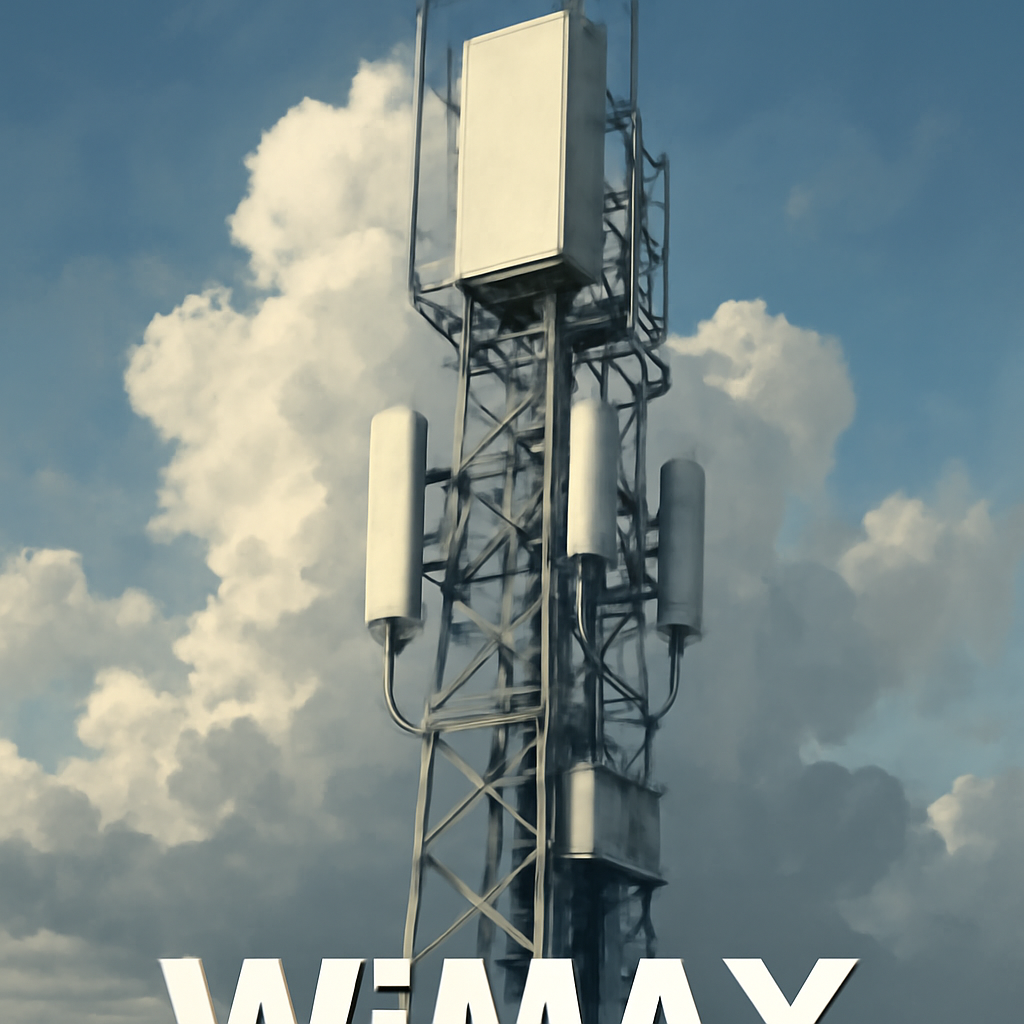
Wimax, standing for Worldwide Interoperability for Microwave Access, is a wireless communication technology aimed at delivering high-speed internet over vast areas. It can connect cities and rural regions without the need for extensive fiber-optic networks, making it an alternative to traditional broadband. It is designed to support broadband services with its long-range capabilities.
Coverage Extent and Geographical Reach
Wimax’s key feature is its ability to cover extensive geographical regions, sometimes spanning entire cities or multiple countries, depending on the deployment. This widespread coverage makes it feasible to connect remote locations that are hard to reach with cable or fiber lines. Its infrastructure involves large base stations which broadcast signals over kilometers, reaching a broad user base without the need for dense infrastructure, In rural areas, Wimax offers a lifeline to high-speed internet, bridging the gap caused by the lack of wired networks.
Compared to other wireless solutions, Wimax’s long-range capabilities mean fewer towers are needed for coverage, reducing deployment costs in sprawling areas. It can serve as a backbone for regional networks, enabling internet service providers to extend their reach efficiently. Governments sometimes support Wimax projects as a way to increase digital inclusion across borders and remote zones. Its ability to operate across multiple countries in a seamless manner supports cross-border communication initiatives and regional integration efforts.
This broad coverage also allows for fixed and mobile wireless access, meaning users can connect from fixed locations like homes or on the move via mobile devices. In some countries, Wimax has been used to provide internet access for public transportation routes, including buses and trains, because of its extended range. Its capacity to reach across borders makes it a strategic choice for multinational networks aiming for expansive coverage areas, especially in areas where laying cables is impractical.
Despite its advantages, Wimax’s large coverage zones require significant spectrum management and coordination among countries to prevent interference. This makes international regulation and frequency allocation a critical part of deployment. As technology evolves, some regions have shifted focus towards newer standards, but Wimax remains relevant for vast, underserved territories needing reliable broadband connections.
What is Wi-Fi?
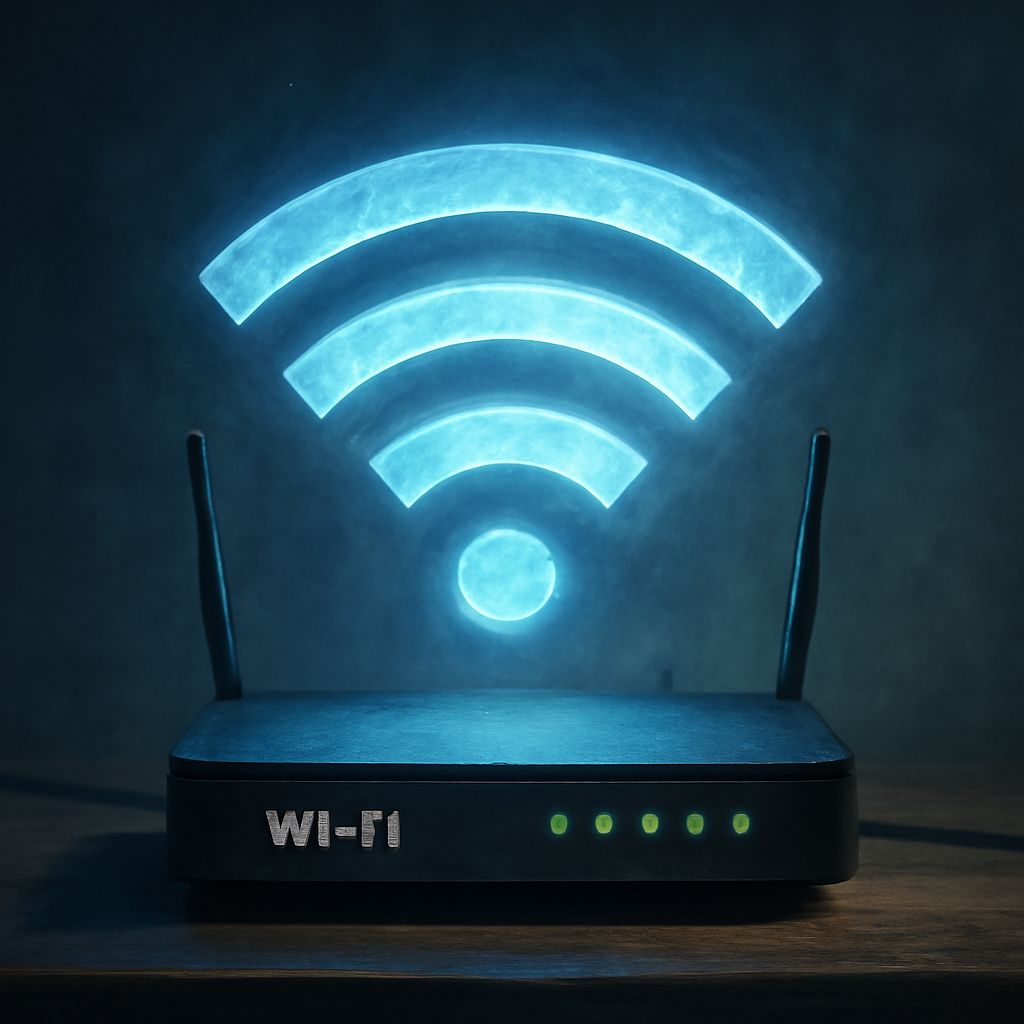
Wi-Fi, known as Wireless Fidelity, is a wireless networking technology primarily used for local area networks, providing internet access within homes, offices, and public hotspots. It is based on radio signals transmitted over short distances, making it highly flexible for indoor and small-scale outdoor environments. Wi-Fi is ubiquitous, connecting billions of devices worldwide in everyday life.
Indoor Connectivity and Network Setup
Wi-Fi networks operate through routers which broadcast radio signals within a limited radius, often up to a few hundred meters, depending on the environment. In homes and offices, routers create a local network that connects various devices such as smartphones, laptops, and smart appliances. Setting up a Wi-Fi network involves minimal infrastructure—plug in a router, configure it, and connect devices wirelessly—making it accessible for most users.
The technology’s flexibility allows for easy expansion by adding more access points or mesh systems, creating larger coverage areas within a building or campus. Wi-Fi’s ease of deployment is why it dominates personal and business indoor connectivity. Public hotspots in cafes, airports, and libraries extend Wi-Fi’s reach beyond private networks, offering internet access on the go.
Wi-Fi operates primarily in unlicensed frequency bands like 2.4 GHz and 5 GHz, which means anyone can deploy equipment without needing special licenses, fostering widespread adoption. This also leads to interference challenges, especially in crowded urban areas where multiple networks overlap. Advanced features like beamforming and multiple-input multiple-output (MIMO) have improved performance and reliability in recent years.
Its user-friendly nature and ability to support high data rates for streaming, gaming, and video conferencing make Wi-Fi indispensable for modern connectivity. Although confined to smaller zones, Wi-Fi’s adaptability for different environments and device types has cemented its role in daily digital life. Its infrastructure relies heavily on consumer-grade hardware, which continues to evolve rapidly to meet increasing demand,
Public and Mobile Use Cases
Wi-Fi is extensively used in public places such as airports, hotels, and shopping malls, providing free or paid internet access to visitors. These hotspots are critical in urban areas for supporting business activities and traveler needs. The deployment involves installing access points that connect to a wired backbone, distributing wireless signals over designated zones.
Mobile Wi-Fi devices, like hotspots, enable users to have internet access on the move, connecting multiple devices simultaneously. These portable devices are popular among travelers and remote workers, providing a flexible connectivity option without relying on cellular networks. The proliferation of Wi-Fi in vehicles and public transport has further expanded its footprint, allowing passengers to stay connected during journeys.
The technology’s compatibility with a wide range of devices, from smartphones to IoT sensors, makes it versatile for different applications. In urban centers, smart city initiatives leverage Wi-Fi networks for environmental monitoring, traffic management, and public safety communications. Its ability to support a dense network of devices in confined spaces is unmatched by larger coverage solutions like Wimax.
Despite its limited range per access point, Wi-Fi’s scalability through mesh and enterprise-grade setups allows for comprehensive coverage in complex environments. Its declining cost and ease of installation ensure it remains the backbone of indoor connectivity, supporting the increasing demand for high-speed internet in daily life.
Comparison Table
Below is a detailed comparison of aspects which differentiate Wimax and Wi-Fi in their shared context of geopolitical boundaries:
| Parameter of Comparison | Wimax | Wi-Fi |
|---|---|---|
| Coverage Range | Spans kilometers across borders, providing regional or national coverage | Limited to hundreds of meters within buildings or small outdoor zones |
| Infrastructure Complexity | Requires large base stations, power sources, and coordination among multiple countries | Uses simple routers and access points, easy to deploy in localized areas |
| Frequency Regulation | Needs international spectrum management and cross-border coordination | Operates in unlicensed bands, with minimal regulation |
| Deployment Cost | High initial investment due to extensive infrastructure and regulation | Low cost, suitable for individual or small business setups |
| Mobility Support | Supports mobile and fixed regional connections across borders | Supports mobility within confined zones, like homes or cafes |
| Data Transmission Speed | Provides steady, reliable connections but with lower peak speeds compared to Wi-Fi | Offers high data rates suitable for streaming and real-time applications |
| Power Consumption | Higher power requirements for base stations and infrastructure | Lower power use, especially in portable devices and routers |
| Interference Susceptibility | Less susceptible over large distances, but depends on spectrum sharing | Prone to interference in crowded environments due to frequency congestion |
| Security Considerations | Requires cross-border security policies, encryption standards, and coordination | Relies on WPA/WPA2 protocols, with security mostly managed locally |
| Application Focus | Ideal for regional broadband connectivity, cross-border communications | Best suited for local area networks, indoor or campus environments |
Key Differences
Below is some distinct differences between Wimax and Wi-Fi:
- Geographical Scope — Wimax covers large regions crossing borders, whereas Wi-Fi is for small, confined areas.
- Deployment Cost — Wimax requires substantial investment in infrastructure and regulation, unlike Wi-Fi’s low-cost setup.
- Operational Frequency — Wimax needs coordination on licensed spectrum, while Wi-Fi operates on unlicensed bands.
- Infrastructure Setup — Wimax involves complex towers and base stations, Wi-Fi relies on simpler routers and access points.
- Mobility Range — Wimax supports long-distance mobility across borders, Wi-Fi is limited to indoor or small outdoor zones.
- Speed and Data Rates — Wi-Fi tends to offer higher peak speeds for localized use, Wimax prioritizes steady connectivity over large areas.
- Regulatory Framework — Wimax’s cross-border operation demands international regulation, Wi-Fi’s is mostly local and unlicensed.
FAQs
Can Wimax support cross-border connectivity without complex agreements?
While Wimax’s design allows it to cover regions crossing borders, effective cross-border connectivity depends on international spectrum management and cooperation agreements. Without such coordination, interference and regulatory issues can hinder its deployment. Countries often need to establish policies to manage spectrum sharing and ensure smooth operation of Wimax networks spanning borders.
Is Wi-Fi capable of replacing Wimax for large-scale regional coverage?
Wi-Fi’s limited range makes it unsuitable for replacing Wimax in regional or national contexts. Its infrastructure is not designed for large geographical coverage, and deploying enough access points would be impractical and expensive. Therefore, Wi-Fi remains better for localized environments, while Wimax is tailored for broad-area connectivity.
What legal considerations are involved in operating Wimax across countries?
Operating Wimax across borders requires adherence to each country’s spectrum regulations, licensing, and security policies. Although incomplete. International agreements or regional cooperation may be necessary to prevent interference and ensure fair spectrum use. Failure to comply can lead to legal disputes, service disruptions, or interference with existing communications infrastructure.
How does regulation impact the deployment speed of Wimax versus Wi-Fi?
Wimax’s need for cross-border spectrum licensing and regulatory approvals can slow down deployment, especially in regions with complex legal frameworks. In contrast, Wi-Fi’s operation in unlicensed bands allows for rapid and widespread deployment without extensive regulatory hurdles. This makes Wi-Fi more adaptable for quick setup in localized areas.