Key Takeaways
- Maori and Aboriginal refer to distinct Indigenous populations tied to New Zealand and mainland Australia, respectively, each shaped by unique landscapes and colonial histories.
- Both groups possess rich oral traditions and have maintained cultural practices that reflect their environments, but their languages, art forms, and social structures are different.
- Legal recognition and government relations for Maori and Aboriginal peoples differ due to contrasting settlement patterns and treaties with colonial powers.
- Contemporary challenges and opportunities for both communities are influenced by ongoing cultural revitalization, land rights, and national identity movements.
- Distinct geopolitical boundaries define Maori and Aboriginal lands, significantly affecting their governance, representation, and societal status.
What is Maori?
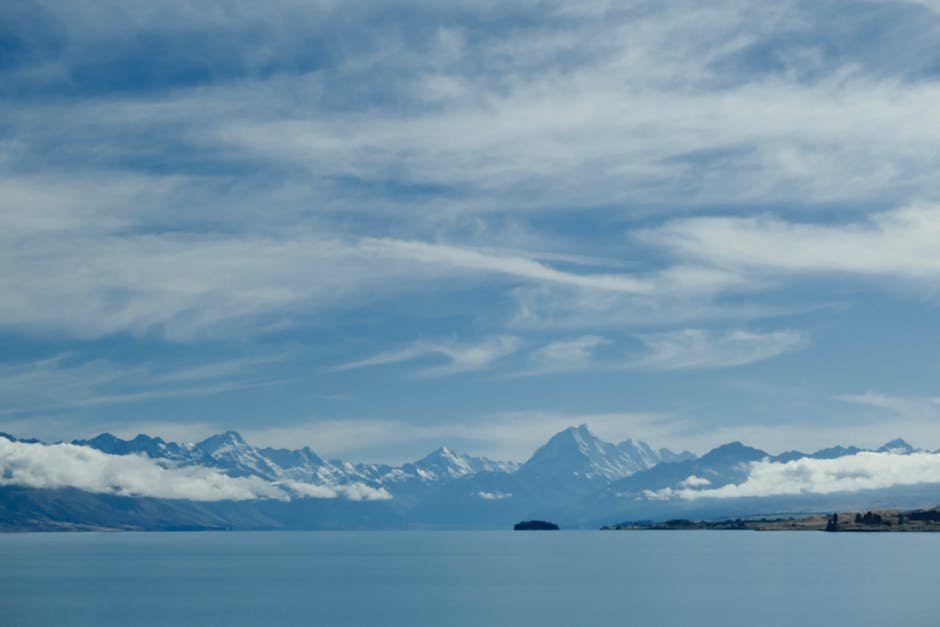
The Maori are the Indigenous people of Aotearoa (New Zealand), with a history that traces back centuries before European arrival. Their society is organized around kinship groups and has retained strong ties to land and tradition.
Geographical Roots and Territorial Identity
Maori communities are primarily located across both the North and South Islands of New Zealand, with tribal boundaries known as “rohe.” These rohe are demarcated by natural landmarks, such as rivers and mountains, which hold deep spiritual and practical significance for each iwi (tribe).
Distinct iwi territories underpin governance, as each group independently manages resources and cultural sites within its boundaries. For example, the Waikato iwi oversees lands surrounding the Waikato River, which is central to their identity and livelihood.
Urban migration has led many Maori to cities like Auckland and Wellington, but connections to ancestral land remain crucial. Tangihanga (funeral rites) often require returning to tribal homelands, emphasizing the enduring importance of place.
Land claims and settlements have shaped modern geopolitical boundaries, resulting in the return of significant areas to Maori ownership. These settlements are often accompanied by agreements recognizing tribal authority over specific territories.
Social Structure and Community Organization
Maori society is structured around whanau (extended family), hapu (sub-tribe), and iwi (tribe), each playing distinct roles in governance and cultural preservation. Marae (communal meeting houses) serve as the focal point for decision-making, ceremonies, and dispute resolution.
Leadership is typically hereditary, but contemporary Maori also elect representatives for broader advocacy and negotiation with the New Zealand government. The concept of “rangatiratanga” (chieftainship or autonomy) underpins self-determination and is asserted in legal and political arenas.
Community organization allows for collective management of resources, including fisheries and forests. This approach contrasts with Western notions of individual property ownership, highlighting Indigenous values of stewardship.
Urban Maori organizations have emerged to represent those living outside traditional rohe, ensuring cultural continuity and advocacy in metropolitan contexts. These groups often collaborate with tribal authorities on social and educational initiatives.
Cultural Expression and Language
Te Reo Maori, the Maori language, is central to identity and has experienced significant revitalization through immersion schools and national media. Place names throughout New Zealand incorporate Maori language, reaffirming geographic and cultural ties.
Traditional arts, such as carving (whakairo), tattooing (ta moko), and weaving (raranga), are practiced within tribal boundaries, each style reflecting local ancestry and environment. Songs (waiata) and oral narratives are performed during gatherings, preserving histories unique to each iwi.
Contemporary Maori artists blend ancestral motifs with modern influences, contributing to both national and international cultural landscapes. The kapa haka (performing arts) movement showcases Maori music and dance, often linked to specific regions.
Language and art serve as vehicles for asserting territorial identity and sovereignty. Bilingual signage and public performances help maintain visibility and pride in Maori culture.
Political Status and Treaty Relationships
The Treaty of Waitangi, signed in 1840, remains a foundational document defining the relationship between Maori and the New Zealand government. It formally recognized Maori ownership of lands and guaranteed certain rights, though its interpretation has been contested over time.
Modern government recognizes Maori seats in parliament and consults with iwi on national policies affecting land, health, and education. The Waitangi Tribunal addresses historical grievances and recommends redress for breaches of treaty promises.
Distinct tribal entities negotiate directly with the Crown, establishing unique settlements that restore resources and acknowledge autonomy. These agreements often redefine governance structures within specific territories.
Recent legislation has recognized some natural features, like the Whanganui River, as legal persons, reflecting Maori worldviews and strengthening Indigenous legal rights. This approach influences environmental management and public policy.
What is Aboriginal?

Aboriginal refers to the diverse Indigenous peoples whose ancestral lands span the entirety of mainland Australia and parts of Tasmania. Their societies are shaped by complex relationships to land, language, and law, predating colonization by tens of thousands of years.
Regional Diversity and Connection to Country
Aboriginal groups are spread across a vast continent, each with distinct territories, languages, and cultural practices. “Country” refers not just to land but to the spiritual, ecological, and social relationships embedded in each group’s ancestral area.
Boundaries between groups are traditionally marked by features such as rivers, mountain ranges, and deserts, with Dreaming tracks crossing these landscapes. Examples include the Yolngu in Arnhem Land, the Noongar in southwestern Australia, and the Arrernte in Central Australia.
Mobility and seasonal movement were integral, with people traveling between camps based on resource availability and ceremonial obligations. Today, many Aboriginal people live in urban centers, but ties to Country remain powerful and are renewed through visits and cultural practices.
Land rights struggles, such as the Gurindji walk-off and the recognition of native title in the Mabo case, have redefined the legal landscape. Successes in these areas have led to the return of significant tracts of land and strengthened local governance.
Kinship Systems and Social Cohesion
Aboriginal societies are organized through intricate kinship systems that dictate relationships, marriage, and responsibilities. These systems vary between regions but universally emphasize extended family and collective decision-making.
Individuals belong to moieties, clans, or skin groups, which govern interactions and obligations within and across communities. Elders play a central role in teaching law, resolving disputes, and guiding communal life.
Interconnectedness is maintained through ceremonial gatherings, known as corroborees, which reinforce bonds and transmit knowledge. Urbanization and displacement have challenged kinship structures, but cultural adaptation continues through community organizations.
Community councils and land councils have emerged to advocate for local interests, especially in remote areas. These bodies often manage health, education, and housing services for their members.
Cultural Heritage and Language Diversity
Aboriginal Australia is renowned for its linguistic diversity, with over 250 original languages and hundreds more dialects. While many languages are endangered, revitalization efforts are underway, particularly in schools and community programs.
Art forms such as dot painting, bark painting, and rock carving are closely tied to specific regions and Dreaming narratives. Songlines (paths across the land marked by songs and stories) encode geographic and spiritual information, guiding travel and teaching law.
Contemporary Aboriginal artists and musicians have achieved recognition worldwide, drawing on traditional themes while engaging in new forms of expression. Festivals like NAIDOC Week and the Garma Festival celebrate and promote cultural pride.
Place names throughout Australia reflect Aboriginal languages, and new signage increasingly recognizes these original names. Cultural sites, including Uluru and Kakadu, are now jointly managed by Aboriginal communities and government agencies.
Legal Recognition and Representation
Unlike New Zealand, Australia does not have a single founding treaty with its Indigenous peoples, leading to ongoing debates about constitutional recognition. The 1992 Mabo decision was a turning point, acknowledging native title and overturning the doctrine of terra nullius.
Land councils, such as the Northern Land Council and Central Land Council, manage large areas and negotiate land use agreements with external parties. There is also a push for a formal “Voice to Parliament” to ensure Indigenous perspectives in national policymaking.