Key Takeaways
- Length and height in geopolitical boundaries describe two distinct dimensions of territorial measurement, each critical for different analytical purposes.
- Length typically refers to the horizontal extension of a boundary, often measuring borders between states, regions, or countries.
- Height denotes the vertical measurement, often used for elevation or altitude within geographical territories, impacting climate and strategic considerations.
- Understanding the distinction between length and height helps clarify territorial disputes, resource management, and infrastructure planning.
- Both metrics are essential for cartographers, policymakers, and geographers in defining and managing geopolitical spaces effectively.
What is Length?

Length in the context of geopolitical boundaries refers to the horizontal measurement along a border or frontier between territories. It defines the spatial extent of a boundary line that separates one jurisdiction from another.
Measuring Boundary Extent
Length quantifies the total distance covered by a boundary line, such as the border between two countries or states. For example, the US-Canada border, stretching over 8,800 kilometers, is often cited in terms of its length to understand its vast scope.
This measurement helps in demarcating official limits and conducting border security operations. Accurate length measurement is crucial for treaties and agreements to prevent territorial disputes.
The length of a boundary can vary depending on the measurement method, such as straight-line distance or following natural features like rivers or mountain ridges. This variability influences how countries manage and patrol their borders.
Importance in International Relations
Length plays a vital role in diplomatic negotiations where precise border delineation prevents conflicts. Longer borders may require more resources for monitoring and infrastructure development.
For instance, countries with extensive land borders often invest heavily in customs and immigration checkpoints. The length also impacts trade routes and cross-border cooperation agreements.
In some cases, length can be a factor in territorial claims, especially in regions where boundaries are disputed or poorly defined. Accurate length measurements support legal frameworks in international courts.
Role in Geographic Mapping
Cartographers rely on length measurements to accurately represent geopolitical boundaries on maps. The length of a border affects map scale and detail, influencing how boundaries are visualized.
GIS (Geographic Information Systems) technology has improved precision in measuring length, allowing detailed analysis of border complexities. This includes indentations, enclaves, and exclaves that affect total length.
Length is also essential in planning infrastructure such as roads, fences, and checkpoints along borders. Mapping the length helps in logistical and security planning.
Influence on Border Security and Management
The length of a boundary determines the scope and scale of border security operations. Longer borders generally require more personnel and technological resources.
Countries with extensive lengths, like Russia or China, face unique challenges in controlling illegal crossings and smuggling. Length also influences the placement of surveillance systems and patrol routes.
Effective management of long boundaries often involves international cooperation to monitor and secure these extensive lengths. Joint patrols and information sharing are common strategies.
What is Height?
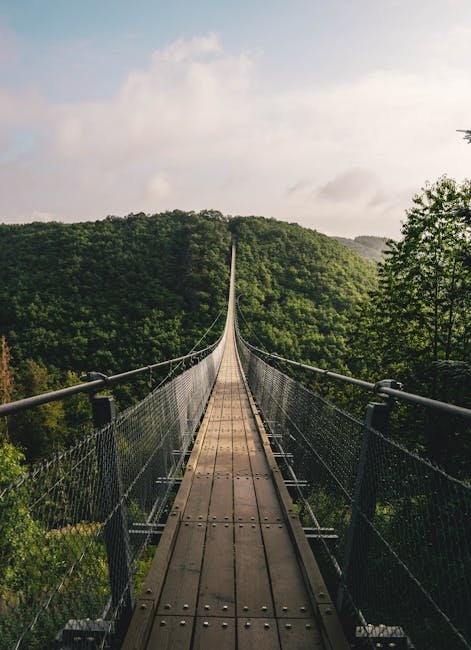
Height in geopolitical contexts refers to the vertical measurement of landforms within a territory, specifically elevation above sea level or relative altitude. It plays a significant role in defining the physical geography of a region.
Significance of Elevation in Territorial Definition
Height impacts how regions are classified, such as mountainous zones versus plains, affecting habitation and land use. For example, the Himalayan region’s high elevation influences national borders between countries like Nepal and China.
Elevation can create natural boundaries, such as mountain ranges that serve as defensive borders. Height thereby contributes to political stability and defense strategies.
Height measurements are important for environmental considerations, influencing climate zones and biodiversity within geopolitical areas. Elevated regions often have distinct ecosystems and resource availability.
Height and Strategic Military Importance
Elevated terrain offers military advantages, such as better visibility and defensibility. Historically, many conflicts have centered around control of high ground to dominate surrounding areas.
Mountainous borders, defined by height, can be difficult to traverse, providing natural fortifications for nations. Height therefore shapes military tactics and border security policies.
Height also affects the placement of observation posts and radar installations, critical for national defense. Countries often prioritize control of elevated areas for strategic superiority.
Impact on Climate and Resource Distribution
Height influences microclimates within geopolitical boundaries by affecting temperature, precipitation, and wind patterns. Elevated areas tend to be cooler and receive more precipitation, impacting agriculture and settlement patterns.
This variation affects resource distribution, such as water supply from mountain snowmelt feeding rivers across borders. Height thus indirectly shapes economic activities and population density.
Policies regarding natural resource management must consider height as it affects accessibility and sustainability. For example, hydroelectric projects capitalize on elevation differences to generate power.
Height in Cartography and Geographical Information Systems
Height is a critical parameter in topographic mapping, where elevation contours depict terrain features. These maps assist in planning infrastructure, disaster management, and environmental conservation.
Advanced tools like LiDAR and satellite imagery provide precise height data that enhance geopolitical analysis. Such data help in understanding terrain challenges and opportunities within borders.
Height measurements also contribute to defining exclusive economic zones in maritime boundaries, where underwater topography matters. Accurate height data supports claims related to continental shelves and seabed resources.
Comparison Table
The table below contrasts key aspects of length and height as they pertain to geopolitical boundaries, highlighting their unique roles and applications.
| Parameter of Comparison | Length | Height |
|---|---|---|
| Dimension | Measures horizontal distance along borders | Measures vertical elevation above sea level |
| Typical Use | Defines extent of political boundaries and border lines | Defines topographic features influencing territorial shape |
| Influence on Security | Determines scope of border patrol and checkpoints | Provides natural defense advantages and observation points |
| Measurement Tools | GIS border mapping, satellite imagery, on-ground surveys | Topographic maps, altimeters, LiDAR, radar data |
| Effect on Infrastructure | Impacts road, fence, and checkpoint placements along borders | Affects construction feasibility and design in rugged terrain |
| Role in Disputes | Clarifies disputed boundary length and demarcation | Defines control over mountainous or elevated border regions |
| Environmental Impact | Less direct but influences border-crossing ecosystems | Critical for climate zones and biodiversity within borders |
| Examples | US-Canada border length, India-Pakistan border length | Himalayan elevation between Nepal and China, Andes mountains in South America |
| Legal Importance | Basis for treaties specifying border extents | Used in territorial claims involving mountain passes and ridges |
| Complexity | Can vary with natural curves and man-made demarcations | Varies with terrain ruggedness and geological formations |
Key Differences
- Spatial Orientation — Length measures horizontal distance, whereas height measures vertical elevation within geopolitical boundaries.
- Physical Impact — Length defines the reach of borders, while height influences the physical terrain and natural defenses.
- Role in Security — Border length dictates the scale of surveillance efforts; height contributes to